

One Last Power Drive?
I write a lot about getting around on public transport on this site. So, the car doesn’t seem to get much of a look in. But with Bruce Springsteen very much in the news recently (50 years since the iconic Born to Run album) and spending time with my American friend Jo, it was inevitable we’d discuss how many cars Bruce has immortalised in his lyrics over the years. For us old dames living in Britain through the 1960s the glamour of the American highway and those romantic sounding cars still hold a fascination. And so it seems fitting for Jo Nesmith to pen the following blog, not just in honour of the American car and our hero Bruce Springsteen, but as a dedication to…
all the shut down strangers and hot rod angels rumbling through this promised land.

Hi, I’m Jo, so, let’s talk cars, y’all.
You can’t get much more American than the automobile. The United States is criss-crossed with highways designed specifically for the personal transportation mode that is the car. Germany might have its autobahns, and Britain its motorways, but they can’t compare to the extensive Interstate Highway System in the US: endless ribbons of concrete and asphalt that are the ultimate representation of American personal freedom. In any country, having a car offers complete control over who is with you and where you go. There are no schedules, no timetables, and no passengers that don’t have your approval. You are the boss. But in America, this control represents what is considered a uniquely American freedom and individuality.
According to a Wikipedia study, out of 182 countries measured, the United States ranks 10th in cars owned per capita. In 2022, out of every 1000 people in the US, 850 owned cars. Countries 1 through 9 are small or island countries. The US far outstrips them in population and land mass. You have to jump to number 15, Australia, to find a country comparable in size. Aussies own 776 cars to every 1000 people. Canadians, at number 23, own 677 cars per 1000 people.
In the US people are often defined by their cars. Those of us who love automobiles can generally learn a lot about people by looking at what they drive. It’s a great way to (sometimes unfairly) judge people. For many people, vehicles are an extension of themselves and an expression of their priorities. Personally, I think it often reveals one’s self- image, and can expose what one might perceive as personal shortcomings. It is often suggested too that the type of car one drives can be perceived as a compensating factor, an attention getter, a status symbol. Did you ever really think about why you bought what you drive? Or maybe you’re lucky and you don’t even own a car: I’m so envious!
For instance, I drive a 10-year-old Ford Fusion with over 100,000 miles on the clock.
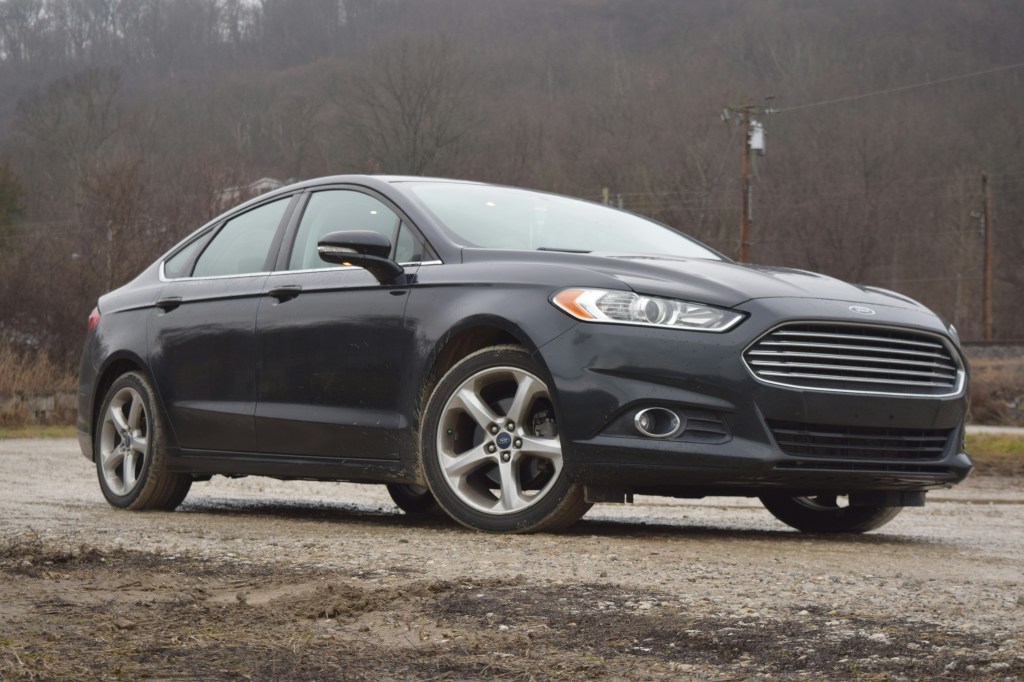
It has the smallest engine available in the Fusion at the time I bought it. Overwhelmingly it indicates to others that I am not concerned with the latest and greatest and probably don’t think a car payment a good use of my funds. I want comfort for myself and the ability to carry three other passengers comfortably. I want decent mileage, good suspension, and easy handling. I want to get from point A to point B with the least amount of fuss and bother. I’m not interested in hauling large things. I don’t have to worry about garden supplies. My living space is small, so I don’t buy a lot of items. Besides routine maintenance, my greatest automobile priority is making sure the satellite radio and the air conditioning work. Did I mention comfort?!
Someone who drives a 2025 Mustang with quad exhausts, the largest engine available, and a custom paint job wants something different from their personal transportation experience than I do. That exhaust system, the flashy paint job, and the fast acceleration are going to generate attention and, in a lot of cases admiration and envy.

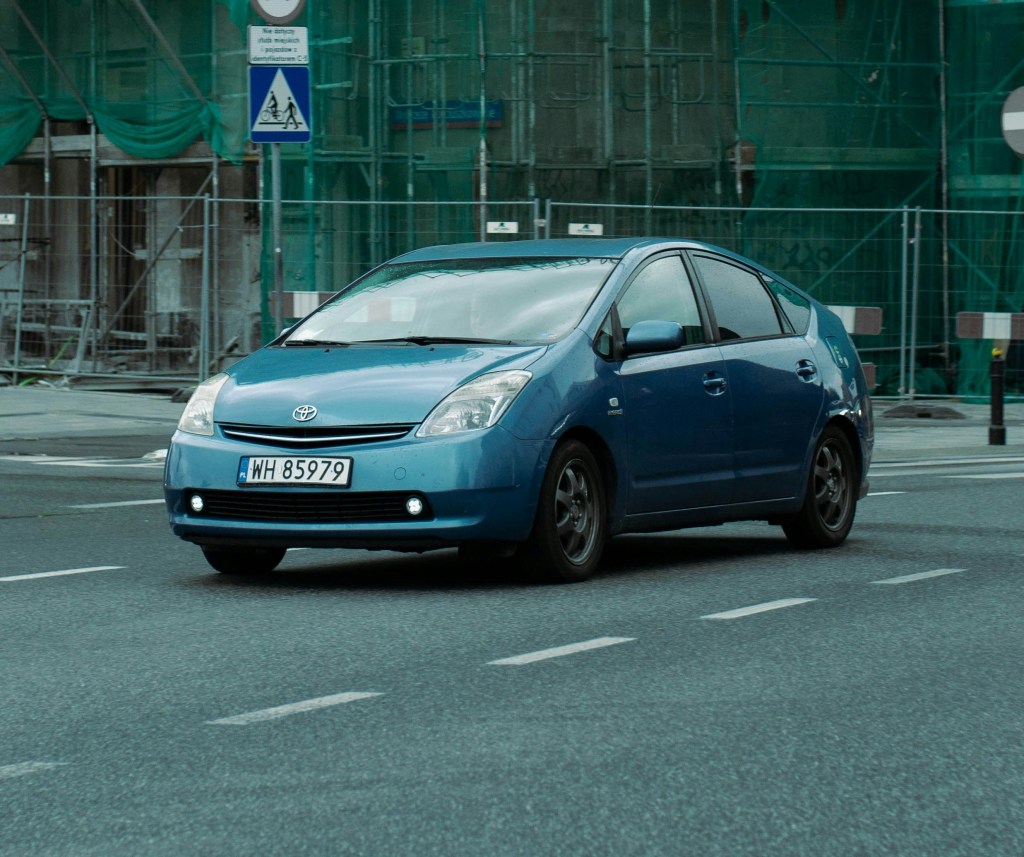
The same is true for the farmer driving a Ford F350 Super Duty with lifts or an environmentally conscious Gen Xer driving a Toyota Prius like the one below.
There are a lot of practicalities in choosing a vehicle, but there are so many options available in the American car culture that it’s easy to incorporate your personality as well. In the United States, it’s fair to say you can learn more about a person from looking at what they drive than what they read. Odds are good they do more driving than reading. Sorry: I took a wrong turn there. Back to the topic at hand.
For years, before the Japanese began to flood the market, the most common cars in the US came from the Big Three: General Motors, Ford, or Chrysler. These three companies had divisions within their brands that further classified their vehicles. Each division had their own family sedans and sports cars. Later they also added their own sport utility vehicles. These divisions were separated by price, feature, and also quality. If you want to speak of the most perfect examples of classic American sports cars, or at least the foundation of them, in my humble opinion General Motors by far led the pack. What drivers did with the car after GM was done with it, moved it into the realm of muscle car.
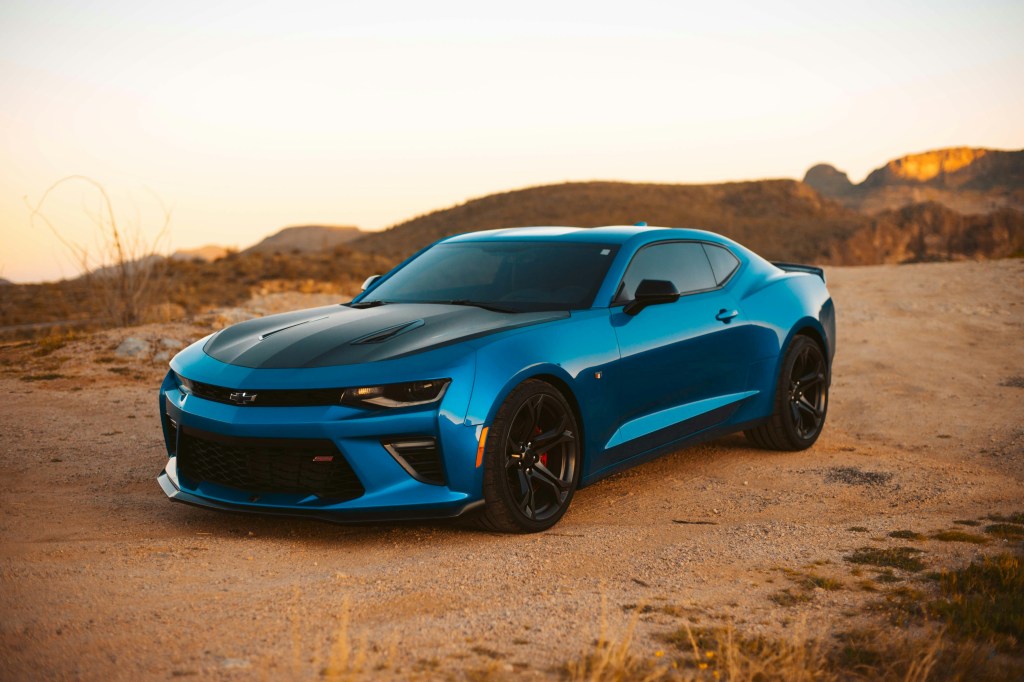
So, let’s talk specifically about Chevrolets as an example. The Chevrolet sedan was the most basic line of General Motors family cars. They were behind the Cadillac, the Buick, the Oldsmobile, the Pontiac in terms of prestige. In the America where I grew up, Chevy was the poor man’s luxury car. The other lines were more luxurious, had more features, and certainly had more class (whatever that was worth). In fact, the Chevy line for a long time was the only line of GM cars that had a pickup truck; you didn’t see a Cadillac truck like you see an Escalade now. People drove Caprices and Impalas because they couldn’t afford Coupe de Villes and Regals.
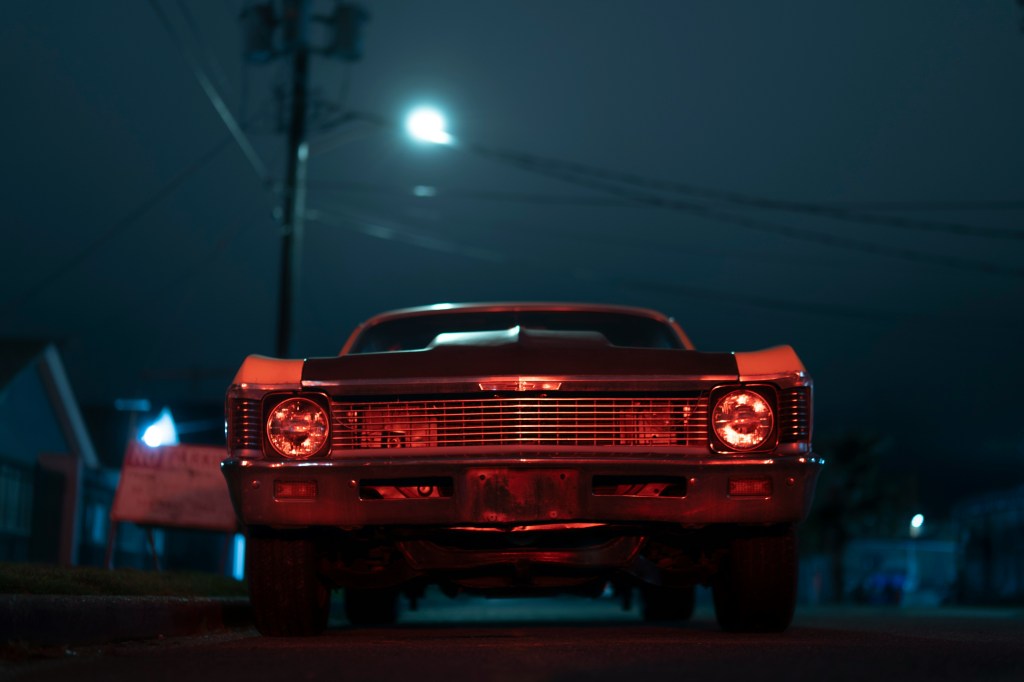
However, the Chevrolet sports cars of the 1960s and 1970s were quintessental American muscle cars. They were sleek coupes with huge engines: they were HOT! Add custom paint jobs including racing stripes, after-market wheels and tires, shifters and shifter knobs (a Hurst on the floor, anyone?) to improve performance and the driving experience, bucket seats, and you had your own personalized hot rod. The Camaro, the Corvette, and the Super Sport were the embodiment of car cool and American power and automotive prestige. GM had other sports cars, like the Oldsmobile Cutlass (a personal favourite) and the Pontiac Firebird; Ford had the Mustang and the Thunderbird (Bob Seger Making Thunderbirds!) and Dodge had the Challenger and the Charger. But those Chevy sports cars were, and still are, classics. Chevy doesn’t make a sedan anymore (it’s all SUVs and pickups now), but they still make Camaros and Corvettes. Because they are timeless and have a reputation built on years of success in the market.
In 1975, a young guy driving a Chevy in the US was a stereotype. It was likely a Supersport (less expensive than a Corvette or a Camaro) and he probably bought it with money he made working in a gas station, which is where he fitted it out with the Hurst shifter and the straight dual exhausts that made that engine roar on into the night. On the side he would more than likely have Bound for Glory in red, white and blue flash paint. There might be a cross hanging from the rear-view mirror and the upholstery would smell like cigarettes and English Leather cologne. I know you can see/smell this in your head. He likely raced it in the streets with other guys just like him, and took more than one girl’s virginity in the back seat after scaring her half to death on his suicide run around the streets. This young man, like many others would probably drive his car under Exxon, Sinclair, and Amoco signs where he paid $.57 for a gallon of gas to drive to dubious but exciting meetings across the river.
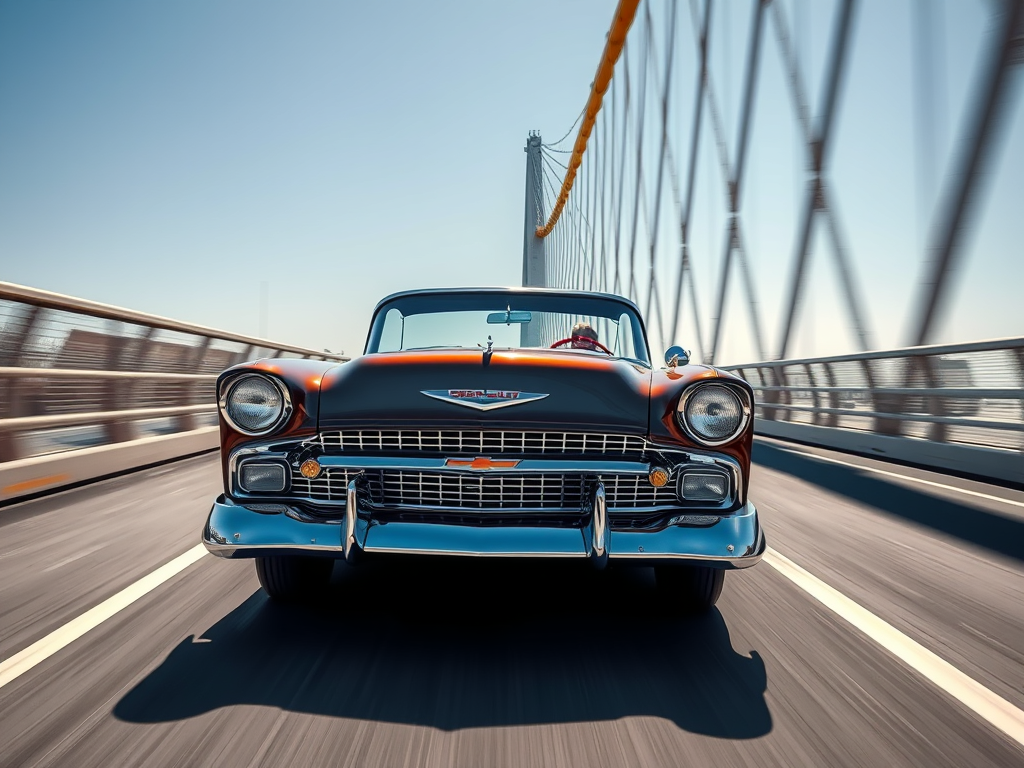
In the 80’s our young man would trade in his beautiful machine for a minivan with an infant seat. But the story doesn’t end there. Now, in the 2020’s, he’s got a 1969 Chevy Supersport again, out in the garage next to his Ford F150.
One last power drive? – Never say die.
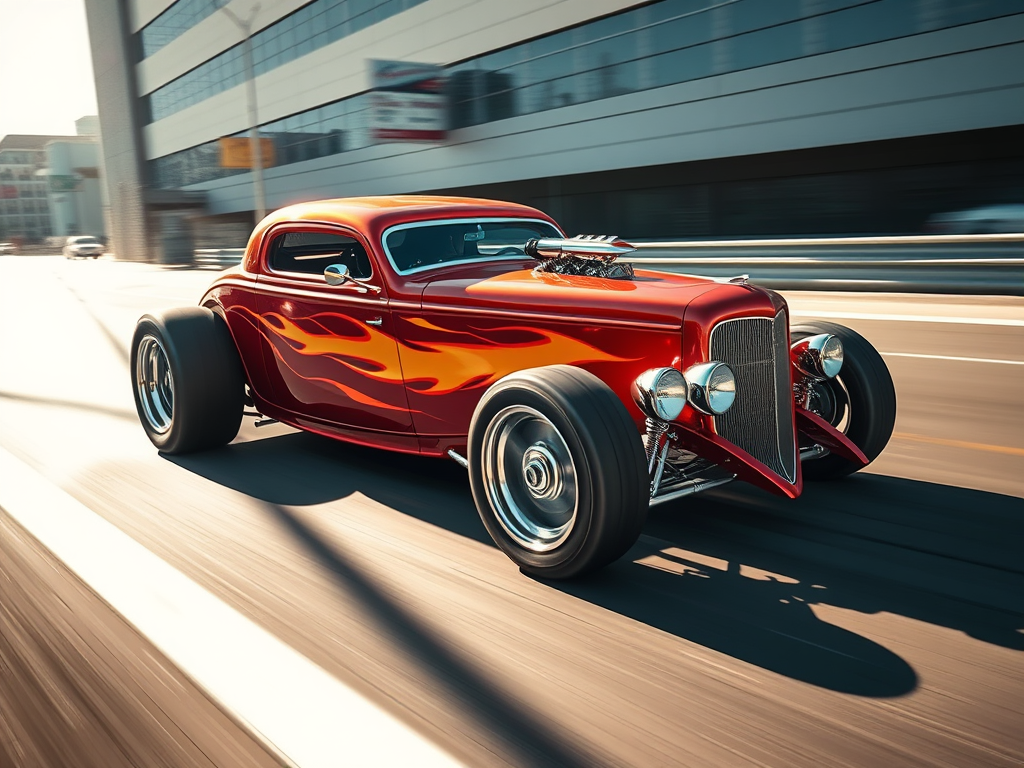
Want an American road trip play list? Look no further:
Don’t Worry Baby – The Beach Boys
Racing in the Street – Bruce Springsteen
Little Old Lady from Pasadena – Jan and Dean
Silver Thunderbird – Jo Dee Messina
My Hooptie – Sir Mix-a-Lot
Fun Fun Fun – The Beach Boys
Makin Thunderbirds – Bob Seger
Thunder Road – Bruce Springsteen
Hot Rod Lincoln – Commander Cody
No Particular Place to Go – Chuck Berry
Dead Man’s Curve – Jan and Dean
Mercedes Benz – Janis Joplin
One Piece at a Time – Johnny Cash
Little Red Corvette – Prince
Born to be Wild – Steppenwolf
Running Down a Dream – Tom Petty
Mustang Sally – Wilson Pickett
Ol’ 55 – The Eagles
Car Song – Woodie Guthrie
Expressway to Your Heart – The Soul Survivors
Paradise by the Dashboard Light – Meatloaf
That’s all folks!
Jo Nesmith lives in Atlanta, Georgia. She has an abiding love of Bruce Springsteen and the city streets of London, so I’m expecting more from you Jo.
 shirleyjustwrites